 2026年12月会议(厦门)
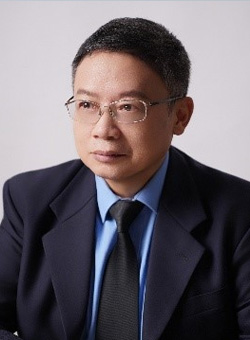
Dr. Jin Wang, Professor
Zhongshan Hospital (Xiamen), Fudan University, Xiamen, China
演讲主题:Noncoding RNAs as novel blood-based biomarkers of pancreatic Cancer
查看更多信息 2026第十三届健康,医学与生命科学国际会议
 2026年12月12-14日
Pancreatic cancer is characterized as the worst for diagnosis lacking symptoms at the early stage. Development of sensitive and specific biomarkers, preferably those circulating in body fluids is critical for early diagnosis of pancreatic cancer. Emerging evidence has shown that some dysregulated noncoding RNAs (ncRNAs) in body fluids, including microRNAs (miRNAs), long noncoding RNAs (lncRNAs), and circular RNAs (circRNAs), play key roles in tumorigenesis and the progression of pancreatic cancer (PaCa). Here, we analyzed the plasma-derived exosomal ncRNA profiles of PaCa patients by using whole-transcriptome sequencing and identified some significantly differentially expressed ncRNAs (lncRNAs and circRNAs), which showed good sensitivity, specificity and has great potential for the diagnosis of pancreatic cancer. Our results indicate that the plasma-derived exosomal ncRNAs may be novel diagnostic markers for PaCa, which may also provide valuable insights for identifying therapeutic approaches for PaCa.
Dr. Jin Wang is a Professor, Principal Investigator (PI), and Chief of the Central Laboratory at Zhongshan Hospital of Fudan University (Xiamen). His research focuses on cancer and infectious diseases. His laboratory conducts basic and translational research in the following areas: 1) development of novel early detection biomarkers for human gastrointestinal (GI) cancers; and 2) application of pharmacologic ascorbic acid, all-trans retinoic acid, and non-coding RNAs (ncRNAs, including circRNAs, lncRNAs, and miRNAs) for the treatment of cancer and infectious diseases.
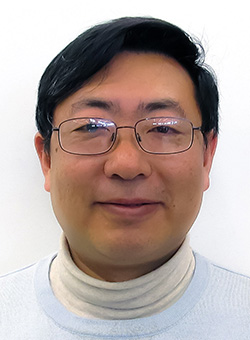
Dr. Jie Tang, Professor
Alpert Medical School of Brown University, Providence, USA
演讲主题:Diet and Kidney Stone Disease
查看更多信息2026第十三届健康,医学与生命科学国际会议
2026年12月12-14日
Kidney stone disease is a common condition with an increasing prevalence. Diet is an important, modifiable risk factor of an individual's risk of developing kidney stone disease, particularly for those without genetic causes of kidney stone disease. Prospective and epidemiological evidence suggest that adequate fluid intake, limited sodium ingestion, and sufficient calcium and potassium intake can decrease the risk of developing kidney stones. Metabolic risk factors for KSD found on 24-hour urine studies can be used to tailor dietary modifications recommended to reduce subsequent risk of kidney stone formation.
Dr. Jie Tang is a Professor of Medicine & Surgery, Brown University – Alpert Medical School. USA Associate Chief of Clinical Affairs, Division of Kidney Diseases and Hypertension, Department of Medicine, Bronw University Health. USA. A senior clinician educator with special interests in clinical epidemiology, kidney stone diseases, renal genetics, and promotion of global kidney care.
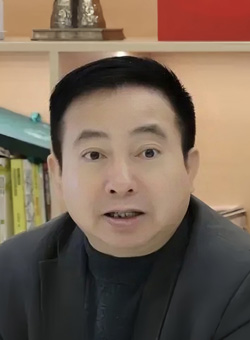
Dr. Shufeng Zhou, Professor
College of Chemical Engineering, Huaqiao University, Xiamen, China
演讲主题:Targeting Kinases and Regulated Cell Death: New Strategies for Precision Cancer Therapy
查看更多信息2026第十四届生物与生命科学国际会议
2026年12月12-14日
Targeted cancer therapy has evolved from inhibiting a single oncogene or signaling pathway toward coordinated interventions involving multiple targets and mechanisms. This presentation highlights our investigations into the design of tyrosine kinase inhibitors (TKIs) and the induction of regulated cell death. Novel small-molecule TKIs were designed and synthesized using kinase ATP-binding sites and fragment-based strategies, followed by evaluation of their antitumor activities and molecular targets. We also developed tumor-targeted nanodelivery systems designed to induce ferroptosis by increasing intracellular iron, promoting reactive oxygen species (ROS) generation, and downregulating GPX4. To trigger copper-dependent cell death (cuproptosis), we engineered near-infrared (NIR)-driven CuSiO3@Au–Pd micro/nanomotors for deeper tumor penetration. These systems perturb copper homeostasis, deplete glutathione (GSH), generate ROS, reduce mitochondrial membrane potential, and promote DLAT aggregation. Integrating TKI-mediated signaling inhibition with ferroptosis and cuproptosis may offer new approaches to overcoming therapeutic resistance and developing mechanism-based combination treatments in precision oncology.
Dr. Shu-Feng Zhou is a Distinguished Professor and doctoral supervisor at Huaqiao University, where he previously served as Dean of the College of Chemical Engineering. He has held academic, research, and leadership positions at the University of Auckland, National University of Singapore, Queensland University of Technology, RMIT University, and the University of South Florida (USF). At USF, he served as Associate Dean of the College of Pharmacy, Chair of the Department of Pharmaceutical Sciences, and Associate Vice President. His research focuses on drug discovery and development, drug metabolism and transport, nanomedicine, biochemical engineering, and precision medicine. Recognized repeatedly as a Clarivate Highly Cited Researcher, he has published more than 650 SCI-indexed papers, with over 65,000 citations and an h-index of 107, and has edited or contributed to 19 English-language scholarly books. He has secured more than US$65 million in cumulative research funding and mentored 42 postdoctoral researchers, 58 PhD students, and more than 120 master's students. His honors include appointments under national high-level international talent programs and Fujian Province's Hundred Foreign Experts Program. He has also served on an expert committee of the International Agency for Research on Cancer (IARC/WHO) and as a reviewer for major research and talent programs.
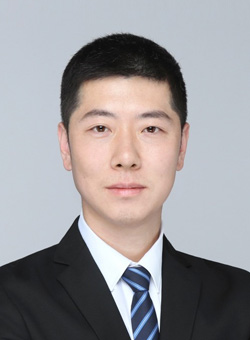
Dr. Zhiwei Qin, Professor
Centre for Biological Science and Technology, Beijing Normal University, Zhuhai, China
演讲主题:Learning Natural Products from Nature’s Way
查看更多信息2026第十四届生物与生命科学国际会议
2026年12月12-14日
Microbial nonribosomal peptides (NRPs) exhibit remarkable structural diversity and represent an important source of lead compounds for clinical drug development. Their biosynthesis is catalyzed by nonribosomal peptide synthetases (NRPSs), in which adenylation (A) domains determine the core peptide structure by selectively recognizing and activating amino acid substrates. Accurate prediction of A-domain substrate specificity is therefore essential for understanding both the structural diversity and biosynthetic logic of NRPs. In this talk, we present DeepAden, a two-stage deep learning framework for predicting NRPS substrate specificity. In the first stage, a graph attention network (GAT)-based model identifies 27-residue substrate-binding pockets located within 6 Å of the bound substrate and generates informative pocket representations. In the second stage, these pocket representations are encoded together with substrate information using pretrained protein language models and aligned through contrastive learning. To address the challenge of class imbalance, particularly for nonproteinogenic substrates, we further developed a SHapley Additive exPlanations (SHAP)-guided data augmentation strategy. DeepAden achieves competitive performance compared with existing state-of-the-art methods on benchmark datasets and has been successfully applied to annotate two Streptomyces NRPS biosynthetic gene clusters by providing reliable A-domain substrate specificity predictions. By combining explainable artificial intelligence with protein language models, DeepAden provides a practical framework for substrate prediction and may accelerate the discovery and characterization of new nonribosomal peptide natural products.
Dr. Zhiwei Qin is a Professor in the Centre for Biological Science and Technology at Beijing Normal University, China. He received his Ph.D. from the University of Aberdeen in 2013 under the supervision of Hai Deng. He subsequently joined the prestigious John Innes Centre as a postdoctoral researcher, where he worked with Barrie Wilkinson until 2019. Following a year in industry at the Demuris Ltd., a biotechnology spin-out associated with the Newcastle University, he established his independent research group at Beijing Normal University in 2020, where he is currently a Professor. His research focuses on microbial natural products, including their discovery, structural elucidation, biosynthesis, and biological functions. In recent years, his interests have expanded to artificial intelligence (AI) for natural product research, particularly the application of protein language models derived from large language model technologies. His recent work includes the AI-guided engineering of antimicrobial peptides, explainable prediction of substrate specificity of nonribosomal peptide synthetase, and protein language model-based analysis of the co-evolution of aromatic polyketide synthases (KSa and KSb). His long-term goal is to integrate AI with natural product science to accelerate the discovery, understanding, and engineering of bioactive microbial metabolites.
Dr. Md. Munir Hayet Khan, Professor
Faculty of Engineering and Quantity Surveying, INTI International University, Nilai, Malaysia
演讲主题:From Data to Decisions: Hybrid AI, IoT and Digital Twins for Climate-Resilient Water and Environmental Systems
查看更多信息2026第十四届能源,环境与地球科学国际会议
2026年12月12-14日
Climate change, urbanization, and environmental degradation are increasing the frequency and complexity of floods, droughts, water-quality deterioration, sedimentation, and pollution. Conventional monitoring and modelling approaches often struggle to convert fragmented observations into timely, reliable decisions. This keynote presents an integrated framework that combines Internet of Things sensing, geospatial information, hybrid artificial intelligence, and digital-twin concepts for climate-resilient water and environmental management. Drawing on applications in hydrological drought forecasting, streamflow prediction, river morphology and sediment monitoring, and air- and water-quality assessment, the presentation shows how signal decomposition, machine learning, deep learning, and process-informed modelling can improve prediction while retaining physical meaning. It will discuss real-time data pipelines, multi-source data fusion, uncertainty and explainability, model transferability, and the importance of field validation. Particular attention will be given to moving beyond accuracy-only comparisons toward decision-oriented systems that support early warning, adaptive operation, and transparent environmental governance. The keynote concludes with a practical research roadmap for trustworthy, scalable, and regionally relevant intelligent environmental systems, including opportunities for cross-country collaboration in Asia.
Dr. Md. Munir Hayet Khan is Professor of Civil and Environmental Engineering at INTI International University, Malaysia. He holds a PhD in Civil and Structural Engineering and an MSc in Environmental Engineering, and is a Professional Technologist, DOE-registered EIA consultant, CPESC, and Graduate Member of the Institution of Civil Engineers. His research spans hydrology and water resources, hybrid AI forecasting, climate resilience, river morphology, environmental modelling, and IoT-enabled monitoring. He has authored more than 90 scholarly publications, supervised multiple postgraduate research, led funded environmental projects, and received the 2026 ASCE-EWRI Visiting International Fellowship and an AGU Outstanding Reviewer recognition. His work emphasizes translating intelligent modelling and field sensing into practical decisions for sustainable water and environmental management.
Dr. Pengfei Wang, Professor
School of Foreign Languages, Southwest Jiaotong University, Chengdu, China
演讲主题:Theoretical Reflection and Paradigm Reconstruction Type Cultural Cross-linguistic Communication in the AI Era: Translation, Algorithms and the Politics of Meaning
查看更多信息2026第十三届社会科学与人文国际会议
2026年12月10-12日
The rapid development of artificial intelligence technology is profoundly reshaping the underlying logic of cross-linguistic cultural communication. Machine translation and large language models have eliminated language barriers with unprecedented efficiency, transforming the cross-linguistic flow of text from a "rare professional practice" into a "daily technical operation". However, the improvement in efficiency does not equate to the faithful transmission of meaning—on the contrary, while AI eliminates language barriers, it also creates more subtle and systemic cultural misinterpretations. Drawing upon the theoretical frameworks of both comparative literature and translation studies, this paper interrogates three central concerns regarding cultural cross-linguistic communication in the age of AI: the nature and function of translation, the inherent biases and limitations of algorithmic mediation, and the politics of meaning embedded in technological systems. This paper argues that the intercultural communication of culture in the AI era cannot stop at celebrating translation efficiency, but must directly confront the deep tension between technological logic and humanistic logic. How to safeguard the richness of "meaning" and the diversity of culture in the algorithmic era, and how to reconstruct the subjectivity of translation as a cross-cultural reconstruction of meaning through technological empowerment, are unavoidable academic propositions placed before us.
Dr. Pengfei Wang is a professor in the School of Foreign Languages at Southwest Jiaotong University, China. He holds a Ph.D. in Comparative Literature from Sichuan University, an M.A. in American Studies from Beijing Normal University, and a B.A. in English and American Literature from Sichuan International Studies University. A former visiting scholar at the University of Ottawa, Canada, his research spans comparative literature and cross-cultural studies, translation studies, and area and country studies. He is currently an Executive Council Member of the Chinese Society for the Study of A Dream of Red Mansions, an Executive Council Member of the Association for Canadian Studies in China, and a Council Member of the Chinese Society for the Study of Overseas Sinology. He is the author or translator of over twenty books and has published more than eighty academic articles in both Chinese and international journals.
Dr. Yuncheng Jiang, Professor
School of Computer Science and School of Artificial Intelligence, South China Normal University, Guangzhou, China
演讲主题:Knowledge Tracing Models Based on Deep Learning and MLLMs
查看更多信息2026第二届教育与人工智能国际会议
2026年12月10-12日
Knowledge Tracing is one of the key technologies enabling intelligent education. Based on multimodal interactive data and process data such as students’ historical problem-solving sequences, it dynamically infers learners’ mastery level of each knowledge concept and predicts their future performance on exercises. It serves as the core underlying algorithm for adaptive learning and personalized learning, as well as the infrastructure for various downstream tasks in intelligent education, including exercise recommendation, learning assessment, and learning situation analysis. This talk mainly analyzes the current research progress of Knowledge Tracing, and particularly presents the latest work completed by my research team in recent years, with a focus on diverse Knowledge Tracing methods based on deep learning and multimodal large language models.
Dr. Yuncheng Jiang is a Professor at the School of Computer Science and the School of Artificial Intelligence, South China Normal University, Guangdong, China, and named among the World’s Top 2% Scientists (Stanford University list, 2024 and 2025). He received his Ph.D. from the Institute of Computing Technology, Chinese Academy of Sciences in 2004. His research has been published in journals and conferences including TOIS, TKDE, TNNLS, TEC, IPM, TLT, TCSS, TBD, TCE, AAAI, IJCAI, ACM MM, CIKM, ECML PKDD, DASFAA, and AIED. He was a recipient of the Best Paper Awards at KSEM 2022 and CSIS-IAC 2024, and the Special Session Best Paper Awards at ADMA 2024 and 2025. He is a member of the KSEM (International Conference on Knowledge Science, Engineering and Management) steering committee, and the chair of IEEE Task Force on Educational Data Mining, the vice chairs of IEEE Guangzhou Section Computer Society Chapter, ACM Guangzhou Chapter and CCF Guangzhou Chapter, a distinguished membership of China Computer Federation (CCF), and a council member of the Chinese Association for Artificial Intelligence (CAAI). He also is the General Co-Chair of NCTCS 2023 and AIEC 2026, the PC Co-Chairs of PRICAI 2026, KSEM 2023, and CAAI DMAI 2023, 2024 and 2025, the Workshop chair of PRICAI 2024, the chairs of IWEAI 2024, 2025 and 2026, and the Track chairs of Special Track on Data Intelligence & Knowledge Mining at ADMA 2024 and 2025. His current research interests include graph computing, multimodal learning, multimodal knowledge graphs, educational artificial intelligence and data science.
2026年8月会议(青岛)
Dr. Qingzhen Yang, Professor
School of Life Science and Technology, Xi'an Jiaotong University, Xi'an, China
演讲主题:Micro/Nano-Fabrication for Organs-on-Chips
查看更多信息2026第七届化学工程与生物工程国际会议
2026年8月16-18日
Organs-on-chips require engineered micro/nano structures that reproduce key features of native tissue microenvironments while remaining compatible with microfluidic culture, sensing and drug testing. Conventional lithography and molding are powerful but often costly and less flexible for controllable three-dimensional hydrogel and polymer architectures. This keynote will present a micro/nano-manufacturing strategy based on manipulating liquid materials at small scales and then solidifying them, where surface forces such as electric-field forces and capillary forces dominate the shaping process. The talk will first introduce the mechanical mechanisms and multiphysics models that describe electrohydrodynamic patterning, wetting/dewetting and capillary-driven microforming. It will then discuss fabrication routes for functional micro/nano structures and devices, including periodic micropillars and microgrooves, hierarchical micro/nano surfaces, tunable hydrogel microgels, microdroplets and sensor-integrated structures. Finally, the presentation will connect these engineering methods to biomedical systems, especially microfluidic biochips and organs-on-chips for in vitro disease model construction, dynamic mechanical/cellular microenvironment control, diagnosis and drug-screening applications. The aim is to show how micro/nano-fabrication can serve as an enabling bridge between chemical/biological engineering and next-generation organ-on-chip platforms.
Dr. Qingzhen Yang is a full professor in the School of Life Science and Technology at Xi'an Jiaotong University, China. He received his B.Eng. and Ph.D. in mechanical engineering from Xi'an Jiaotong University, with visiting doctoral training at the University of Michigan-Dearborn. His research focuses on micro/nano fabrication, biofabrication, microfluidic chips and numerical modeling for biomedical applications. He has published more than 60 SCI-indexed papers, with over 3,200 citations and an H-index of about 30, and has led more than 20 research projects. His honors include the First Prize of Science and Technology Award in Shaanxi Higher Education Institutions (three times), KC Wang Young Scholar, China Overseas Chinese Contribution Award, Microsystems & Nanoengineering Young Scientist Award, and other provincial young-talent awards.
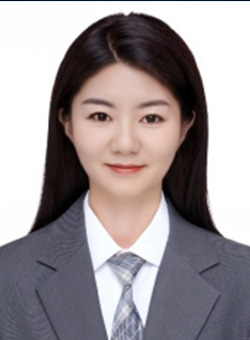
Dr. Qing Yang, Professor
College of Forestry, Beijing Forestry University, Beijing, China
演讲主题:Study on the Regulation Mechanism of Flavonoids in Promoting Forest Tree Development and Stress Tolerance
查看更多信息2026第七届农业科学与生物技术国际会议
2026年8月16-18日
Life science has entered a new era featuring multi-dimensional integration and predictive design. RNA epigenetic modification, nano-biodelivery, intelligent plant regulation, and interdisciplinary integration of agriculture and forestry have emerged as core frontier research topics. Focusing on flavonoid secondary metabolism in economic forest trees, this study integrates multi-omics, epigenetics and nano-biotechnology to dissect the multi-layer molecular networks through which flavonoids coordinately regulate floral development and broad-spectrum stress resistance, aligning with the theme of interdisciplinary innovation of the forum. Hyperoside is identified as the core signaling molecule in this research. On one hand, it remodels the microfilament cytoskeleton via the CDPK6-MYB30 pathway and bZIP protein phase transition, thereby accelerating pollen germination and pollen tube elongation, prolonging flowering period and improving fruit set rate. On the other hand, this work deciphers immune pathways including m6A methylation-mediated VIR1/2, lncRNA-NAC and WRKY-NLR, and constructs a theoretical model illustrating how flavonoid metabolic flux confers tolerance to drought, aluminum toxicity and fungal diseases. It elaborates a novel regulatory paradigm interconnecting RNA epigenetic modification, secondary metabolism and plant immunity. In this study, a ZIF-8 nanocarrier-based in vivo delivery system for flavonoids and oligonucleotides is constructed, breaking the bottleneck of genetic transformation in forest trees. A series of green plant-derived regulatory agents are developed and applied to nearly ten thousand mu of economic forests, achieving stable yield and efficiency improvement. In future research, multi-scale omics and intelligent biological models will be combined to connect the translational chain from flavonoid metabolism in forest trees to human health, and explore new strategies for AI-enabled precision breeding of stress-resistant forest trees. We look forward to exchanging interdisciplinary innovative ideas covering metabolic epigenetics, nano-biotechnology and smart agriculture & forestry with experts from various fields at the forum, and promoting the industrial translation of fundamental mechanistic research into green agriculture.
Dr. Qing Yang is a Professor in the College of Forestry at Beijing Forestry University, China. Focusing on the important development field of germplasm innovation of economic forest and fruit trees in the forestry and grassland sector, she has long been committed to researching the molecular mechanisms underlying the development and stress resistance of economic forests, and innovatively proposed that flavonoid secondary metabolites can act as signals and play an important regulatory role. Over the past five years, centering on "flavonoid metabolic regulation and signaling functions", she has conducted systematic research on flower development, fruiting, and pollen control in economic forest plants, and achieved a series of high-level original results.
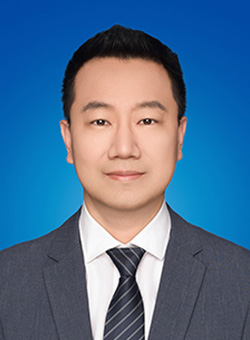
Dr. Yin Li, Associate Professor
College of Life Science and Technology, Huazhong University of Science and Technology, Wuhan, China
演讲主题:Gene Mining and Functional Studies of Abiotic-Stress Regulatory Genes in Wheat Facilitated by Evolutionary Genomics
查看更多信息2026第七届农业科学与生物技术国际会议
2026年8月16-18日
Reverse genetic studies conducted in the plant with a complex or polyploidy genome enriched with large gene families (like wheat) often meet challenges in identifying the key candidate genes related to important traits and prioritizing the genes for functional experiments. To overcome the above-mentioned challenges of reverse genetics, this work aims to establish an efficient multi-species strategy for genome-wide gene identification and prioritization of the key candidate genes. We established the integrative gene duplication and genome-wide analysis (iGG analysis) as a strategy for pinpointing key candidate genes deserving functional research. The iGG captures the evolution, and the expansion/contraction of large gene families across phylogeny-related species and integrates spatial–temporal expression information for gene function inference. Transgenic approaches were also employed to functional validation. In particular, we leverage the iGG strategy and several QTL/GWAS genetic loci and identified several candidate genes regulating drought stress tolerance in wheat (TaCIPK17, TaPP2C-a5, TaPP2C-a6, and TaDREB26). We used molecular genetics and biochemical approaches to uncover their molecular mechanisms underlying the drought tolerance involvement. This approach and these identified genes provide valuable resource for wheat genetic improvement towards better abiotic stress tolerance.
Dr. Yin Li is currently an Associate Professor at College of Life Science & Technology, Huazhong University of Science and Technology, HUST (Wuhan, China). I have been granted several Provincial Young Talent Awards (“Bairen” Program and “Chutian” Program). I am also the deputy director of International Science and Technology Cooperation Base (Genetic Engineering) of the Ministry of Science and Technology, China. I obtained PhD degree in Life Sciences at HUST and accomplished postdoc training at Rutgers University, U.S.A. (Prof. Joachim Messing as my supervisor). I have been studied Poaceae crop genomics and focused on establishing new comparative and evolutionary genomics tools to facilitate reverse-genetic gene discovery related to abiotic stress tolerance and carbohydrate metabolism. I have been awarded for several grants, including the National Natural Science Foundation of China and Provincial International Science and Technology Cooperation Program. Representative research works have been published on high-impact journals, Journal of Advanced Research, Plant Biotechnology Journal, Food Hydrocolloids, Plant Physiology, etc. I also serve as Editorial Board Member or Youth Editor for several SCI journals, including iMeta, Scientific Data, New Crops, Grain & Oil Science and Technology, and Plants.
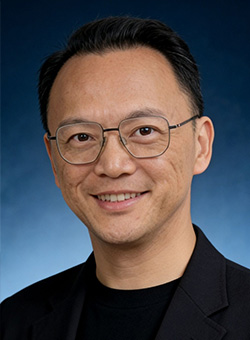
Dr. Kai Kong Lee
Department of Psychology, University of Sunderland, Sunderland, United Kingdom
演讲主题:Precision ASD Intervention: Integrating Biochemical Rescue, Biometric Profiling and AI-Supported Behavioural Support
查看更多信息2026第九届心理学与行为科学国际会议
2026年8月16-18日
Autism intervention is moving from generalized behavioural correction toward precision support that addresses the biological, cognitive, and family-contextual needs of each child. This keynote will present a translational framework for ASD intervention that integrates three components: biochemical rescue through targeted nutritional support, biometric profiling to identify innate learning and communication preferences, and individualized cognitive-behavioural strategies enhanced by AI-assisted practice. Drawing on a protocol involving children aged 3 to 11 and repeated CARS2-QPC assessments over baseline, 3-month, and 6-month time points, the speech will discuss how reduced folate and multivitamin support, tailored CBT, and communication-specific parent guidance may help reduce communication difficulty and improve engagement. The talk will also highlight the importance of early developmental windows, family implementation, ethical use of AI, and data-informed monitoring. The goal is not to replace professional clinical judgment, but to show how psychology and behavioural science can build more personalized, measurable, and compassionate intervention models for children with ASD.
Dr. Kai Kong Lee is a behavioural scientist and Postgraduate Lecturer in the Department of Psychology, University of Sunderland, UK. He holds doctoral training in behavioural science, a Master's background in psychology and neuroscience of mental health from King's College London, and postdoctoral research experience related to autism spectrum disorder (ASD) at Harvard Medical School. His academic and applied work focuses on ASD, child development, parent education, cognitive-behavioural intervention, AI-supported learning, and precision approaches for understanding children's innate learning profiles. In Hong Kong and the wider Asia region, Dr. Lee has led school- and family-facing initiatives that translate psychological science into practical support for SEN children, parents, educators, and community service providers. His work bridges clinical observation, behavioural science, neuroscience, digital tools, and family intervention, with a strong emphasis on early identification, individualized support, and measurable outcomes.
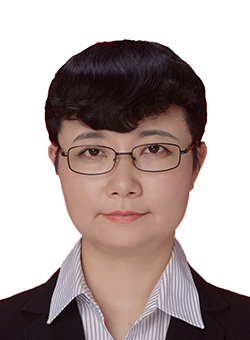
Dr. Dan Sha, Professor
Cancer Center, Shandong Provincial Hospital Affiliated to Shandong First Medical University, Jinan, China
演讲主题:Prospective Comparison of Patient-Derived Organoid Drug Screening with Standard Guideline Recommendations for Colorectal Cancer Liver Metastasis
查看更多信息2026第十一届公共卫生与医学科学国际会议
2026年8月16-18日
Background: Treatment options for colorectal cancer liver metastasis (CRLM) are limited, and resistance to standard regimens remains a major challenge. Patient-derived tumor organoid (PDTO)-based drug sensitivity testing offers a promising strategy to guide personalized therapy. This study aimed to evaluate the accuracy of PDTO drug sensitivity in predicting clinical response to standard treatments in CRLM. Methods: In this prospective observational study, patients with CRLM underwent tumor biopsy for PDTO generation. Established PDTOs underwent drug sensitivity screening against a panel of agents, including chemotherapies (e.g., oxaliplatin, irinotecan, 5-FU, TAS102) and targeted therapies (e.g cetuximab, regorafenib, fruquintinib). Patients concurrently received standard treatments. The primary endpoint was the concordance between PDTO sensitivity and the patient’s objective clinical response. Results: Thirty patients who successfully established 39 organoids were enrolled. Their prior treatment history was as follows: treatment-naïve (n = 14), and failure of first-line (n = 5), second-line (n = 4), third- line (n = 4), fourth-line (n = 2), or fifth-line (n = 1) therapy. Fresh tumor biopsies were obtained from colon (n = 10), rectum (n = 4), liver (n = 21), lung (n = 2), ascites (n = 1), and bone (n = 1). A total of 39 organoids were used for drug sensitivity screening. Of note, organoids were successfully established from both primary colorectal cancers and their paired liver metastasis in 9 patients. The organoids faithfully recapitulated the key characteristics, including pathological morphology, immunohistochemical markers, and mutational profiles, of their original tumors. Overall, PDTO-based prediction of clinical outcome was more accurate for combination regimens (FOLFOX/FOLFIRI) than for monotherapy, which was partly due to the antagonistic treatment interactions (35.5%, 11/31) in combined treatments. For combinations versus monotherapy, the predictive metrics were as follows: accuracy, 79.5% vs 64.1%; sensitivity, 92.3% vs 61.5%; specificity, 73.1% vs 65.4%; positive predictive value (PPV), 63.2% vs 47.1%; and negative predictive value (NPV), 95.0% vs 77.3%. Conclusions: This study confirms the clinical feasibility of biopsy-derived PDTOs and highlights their clinical utility: they not only predict response to combination regimens more accurately than to monotherapy but also provide a high NPV, thereby preventing ineffective treatments and unnecessary toxicity, and guiding precision therapy.
Dr. Dan Sha, M.D., is a Chief Physician and Master's Supervisor at Shandong Provincial Hospital affiliated to Shandong First Medical University. Her research was conducted in Mayo Clinic and is focusing on gastrointestinal cancer liver metastasis, tumor microenvironment, and organoids. She serves as Vice Chairman of the Oncology Branch of Shandong Medical Association and has published high-impact papers in Cancer Discovery, Annals of Oncology, Lancet Oncology and Clinical Cancer Research.
Dr. Kangguang Lin, Professor
School of Medicine, The Chinese University of Hong Kong, Shenzhen, China
演讲主题:Early Biological Pathways to Cognitive Impairment in Familial Risk for Bipolar Disorder: Roles of Neuroinflammation and White Matter Microstructure
查看更多信息2026第十一届公共卫生与医学科学国际会议
2026年8月16-18日
Background: Neuroinflammation and white matter abnormalities have been increasingly implicated in the pathophysiology of bipolar disorder and its associated cognitive impairments, particularly deficits in information processing speed (IPS). These neurobiological alterations may emerge before the onset of a full-threshold bipolar disorder diagnosis, especially among offspring of parents with bipolar disorder who are at elevated familial risk. However, the pathways linking inflammatory activity, white matter microstructure, and early cognitive changes in at-risk offspring remain insufficiently understood. Objective: This study aimed to examine whether serum interleukin-6 (IL-6), a marker of neuroinflammatory activity, and fractional anisotropy (FA) of the forceps major (FM), a white matter tract connecting bilateral occipital regions, mediate the association between symptomatic risk status and IPS performance in offspring at familial risk for bipolar disorder. Methods: A total of 108 participants were included in the study. Offspring of parents with bipolar disorder were classified into two groups according to clinical presentation: asymptomatic offspring (AO; n = 41) and symptomatic offspring (SO; n = 35). An age-matched healthy control group (HC; n = 32), with no familial risk for bipolar disorder, was also recruited. Serum IL-6 levels were measured as an index of inflammatory activity. IPS performance was assessed using standardized neuropsychological measures. Diffusion tensor imaging was used to quantify FA of the FM as an indicator of white matter microstructural integrity. Group differences in IL-6 levels, FM FA, and IPS performance were examined. Serial mediation analysis was then conducted to determine whether IL-6 and FM FA mediated the relationship between symptomatic status and IPS performance among offspring at familial risk. Results: Compared with asymptomatic offspring, symptomatic offspring showed significantly elevated serum IL-6 levels, reduced FA in the FM, and poorer IPS performance. In contrast, asymptomatic offspring demonstrated relatively preserved FM microstructure and IPS performance comparable to healthy controls. Serial mediation analysis indicated that symptomatic status had a significant total indirect effect on IPS performance through IL-6 and FM FA (β = −3.83, 95% CI [−7.28, −0.84]). This indirect pathway accounted for 42.46% of the total effect, suggesting full mediation. These findings indicate that increased inflammatory activity may be associated with reduced white matter integrity, which in turn contributes to IPS deficits in symptomatic offspring. Conclusion: The present findings suggest that neuroinflammation and forceps major microstructural disruption may jointly mediate cognitive vulnerability in offspring at familial risk for bipolar disorder. Elevated IL-6 and reduced FM FA may represent early neurobiological mechanisms underlying IPS impairment before or during the emergence of clinically significant symptoms. These results highlight the importance of investigating inflammatory and white matter markers as potential targets for early identification, monitoring, and preventive intervention in individuals at risk for bipolar disorder
Dr. Kangguang Lin is a Professor at School of Medicine of The Chinese University of Hong Kong. Professor Lin is a psychiatrist and researcher with nearly two decades of clinical and academic experience in mental health, specializing in mood disorders. He holds a PhD in Psychology from the University of Hong Kong. His research integrates clinical translation, digital phenotyping, and health behavior science to improve early detection, identify predictive biomarkers, and develop non‑pharmacological interventions for depression and bipolar disorder, particularly among high‑risk populations. His work uses innovative approaches, including computational psychiatry and randomized controlled trials, to evaluate emerging treatment strategies such as transcranial direct current stimulation (tDCS), Lycium barbarum polysaccharide, and structured exercise programs. Through this translational research, Professor Lin aims to develop accessible, evidence‑based interventions that complement conventional pharmacotherapy and support precision mental health care. Professor Lin has published more than 100 peer‑reviewed articles in leading journals, including Nature Mental Health, American Journal of Psychiatry, Biological Psychiatry, JAMA Psychiatry, and Clinical Psychology Review. His research is supported by the Hong Kong Research Grants Council and the National Natural Science Foundation of China.
Dr. Qi Wang, Professor
College of Pharmacy, Harbin Medical University, Harbin, China
演讲主题:Mechanism of Short-chain Fatty Acids Targeting MT-ND3 to Promote Mitochondrial Respiratory Chain (MRC) Homeostasis in the Treatment of Diabetic Cognitive Impairment
查看更多信息2026第十一届公共卫生与医学科学国际会议
2026年8月16-18日
Objective: The pathogenesis of diabetic cognitive impairment (DCI) is closely associated with dysregulation of mitochondrial respiratory chain (MRC) homeostasis; however, the underlying mechanisms remain largely unclear. 2-Hydroxyisobutyric acid (2-HIBA), a novel short-chain fatty acid, has shown therapeutic potential in metabolic disorders. This study aims to investigate a novel mechanism by which 2-HIBA ameliorates DCI. Methods: Multi-omics approaches were employed to screen for differentially expressed active metabolites and related pathways in the serum of DCI model mice. The permeability of 2-HIBA across the blood–brain barrier and the outer mitochondrial membrane was assessed using nanoLC-Orbitrap-MS technology. Behavioral tests, molecular biology assays, and molecular interaction techniques were further applied to elucidate the regulatory mechanisms and to verify the direct binding between 2-HIBA and its potential target. Results: 2-HIBA was found to cross the blood–brain barrier and directly target the mitochondrial protein MT-ND3, upregulating its expression level, maintaining NAD⁺/NADH homeostasis, and restoring MRC function, thereby significantly ameliorating cognitive impairment in db/db mice. Moreover, an agonist of MT-ND3 could mimic these effects, further confirming the pivotal role of MT-ND3 in the treatment of DCI. Conclusion: MT-ND3 represents an important therapeutic target for ameliorating diabetic cognitive impairment. By directly binding to MT-ND3 and restoring MRC function, 2-HIBA provides a novel therapeutic strategy and a potential lead compound for the treatment of DCI.
Dr. Wang Qi, Professor, Doctoral Supervisor. Recognized as a High-Level Talent of Heilongjiang Province, recipient of the Heilongjiang Provincial Outstanding Youth Science Fund, and a member of the Provincial Youth Association for Science and Technology. The primary research focus is on the pharmacodynamic material basis of traditional Chinese medicines for treating cognitive disorders via the gut–brain axis. Currently leading 12 national and provincial-level projects, including the General Program of the National Natural Science Foundation of China and the Outstanding Youth Program of the Heilongjiang Provincial Natural Science Foundation. As first/corresponding author, has published over 30 papers in journals such as Advanced Science and Redox Biology. Holds 6 authorized patents. Has received multiple awards, including the First Prize of the Science and Technology Progress Award of the China Association of Chinese Medicine, the Second Prize of the Science and Technology Award of the Chinese Association of Integrative Medicine, and the First Prize of the Science and Technology Award of Traditional Chinese Medicine of Heilongjiang Province. Serves as Assistant Editor-in-Chief of the Journal of Ethnopharmacology, and as a Youth Editorial Board Member for iMeta (IF: 33.2), Chinese Medicine, and Chinese Herbal Medicines (English edition), among others. Holds memberships in several professional organizations: Council Member of the Specialty Committee of Chinese Medicine Chemistry of the World Federation of Chinese Medicine Societies; Council Member of the Specialty Committee of Chinese Medicine and Natural Medicines of the Heilongjiang Pharmaceutical Association; Youth Committee Member of the Specialty Committee of Chinese Medicine and Natural Medicine Pharmacology of the Chinese Pharmacological Society; and Youth Committee Member of the Specialty Committee of Plant Drugs and Medicinal Plants of the Botanical Society of China.
Dr. Zigeng Wang, Associate Professor
College of Architecture and Civil Engineering, Beijing University of Technology, Beijing, China
演讲主题:Performance Study of Low Carbon, Fireproof Magnesium Oxysulfate Cement
查看更多信息2026第八届土木工程国际会议
2026年8月14-16日
Magnesium Oxysulfate Cement (MOSC) is a gas-setting magnesium-based cement manufactured from light-calcined magnesium oxide and magnesium sulfate heptahydrate, featuring lightweight properties, fire resistance, moisture resistance, anti-corrosion performance, and other advantages. The current mainstream production process for heptahydrate magnesium sulfate, a raw material in magnesia cement, consumes high energy and generates significant carbon dioxide emissions. However, there has been no research investigating alternative sources for magnesium sulfate heptahydrate. To address this issue, this study aims to reduce embodied carbon emissions at the raw material stage by proposing the in-situ preparation of MgSO₄ solutions using brucite—a natural magnesium-based material—through direct reaction with dilute sulfuric acid or sulfate salts, thereby replacing conventional magnesium sulfate heptahydrate. The systematic analysis examined its effects on MOSC's flowability, setting time, strength, thermal conductivity, fire resistance, pore structure, and hydration product evolution patterns. Additionally, the carbon emissions throughout the entire lifecycle of low carbon MOSC were calculated, providing a theoretical foundation and technical support for developing this cement system.
Dr. Zigeng Wang is an Associate Professor at Beijing University of Technology and holds a Ph.D. in Civil Engineering from Michigan Technological University, USA. His research focuses on the preparation and analysis of high performance concrete and novel binding materials, with expertise in solid-liquid coupling modeling methods, constitutive relationship analysis and modification, and digital representation of mechanical properties. He is an expert member of the Cement-Based Rheology Testing Technology Committee under the Testing Technology Branch of the China Society of Silicate, affiliated with the International Advanced Materials Association and China. Dr. Wang has presided over and participated in more than 20 scientific research projects at various levels, including national-level initiatives. He has published one monograph, over 70 high-quality academic papers, and nearly 10 patents, contributed to the development of three industry standards, and received two second prizes for scientific and technological progress at the provincial/ministerial level.
Dr. Kung-Chung Hsu, Professor
Department of Chemistry, National Taiwan Normal University, Taiwan
演讲主题:Synthesis of Novel Hydrogels as Curing Agents for Mortars
查看更多信息2026第八届土木工程国际会议
2026年8月14-16日
Hydrogel is a crosslinked polymer which can absorb lots of water. In this study, seval novel hydrogels were prepared and used as curing agents for mortars. The chemical structure of these hydrogels were characterized by means of FTIR spectroscopy. The water absorbency of them were measured in salt solutions. The effects of reactant ratio, initiator and crosslinking agent content on the water absorbency of these hydrogels were studied. The hydrogels were then added in mortars. Their effects on the material properties of mortars were determined and discussed.
Dr. Kung-Chung Hsu received PhD in Department of Chemical Engineering at The Penn State University, in 1985. He worked as a senior scientist in the R & D Department of China Steel Corp. in 1985-1990. He was an Associated Professor in 1990-1996, Professor in 1996-2020, and is now an Emeritus Professor in the Department of Chemistry of National Taiwan Normal University, Taipei, Taiwan. Dr. Hsu has research interests in (1) preparation and application of dispersing agents in ceramic materials, (2) preparation and development of superplasticizer and self-curing agents in concrete, and (3) preparation and application of nano powder and graphene/polymer composites. So far he has published more than 50 peer-reviewed papers and obtained over 25 patents.
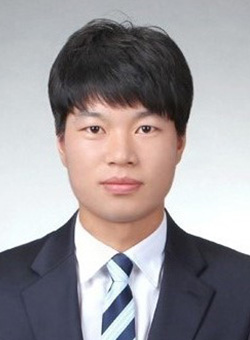
Dr. Juncong Ge, Associate Professor
Department of Mechanical Design Engineering, Jeonbuk National University, Jeonju, South Korea
演讲主题:Renewable Alcohol Fuels for Sustainable Diesel Power without Engine Modification
查看更多信息2026第十一届能源,环境与资源国际会议
2026年8月14-16日
The decarbonization of diesel-powered transportation and off-road machinery is essential for achieving global carbon neutrality while maximizing the utilization of existing diesel engine infrastructure. Although carbon-free fuels such as hydrogen and ammonia have attracted considerable attention, their widespread application is constrained by combustion controllability, dedicated fuel supply systems, and extensive engine modifications. Likewise, methanol has been extensively investigated as a renewable fuel; however, its low cetane number, low heating value, high latent heat of vaporization, and inherent toxicity remain significant barriers to its direct application in conventional compression-ignition engines. In contrast, renewable alcohol fuels, particularly ethanol and isopropanol, offer a favorable balance of fuel reactivity, oxygen content, energy density, and compatibility with existing diesel engines, making them promising candidates for practical diesel engine decarbonization. This keynote presents a practical and cost-effective strategy for the efficient utilization of ethanol–diesel and isopropanol–diesel blends in common-rail direct injection (CRDI) diesel engines without any hardware modification. A novel ultrasonic homogenization technology is employed to produce stable and homogeneous alcohol–diesel blended fuels, effectively overcoming fuel immiscibility while ensuring long-term storage stability. Combined with optimized fuel injection strategies, the proposed approach reconstructs the diesel combustion process by enhancing air–fuel mixing and oxygen utilization, thereby improving combustion efficiency and simultaneously reducing particulate matter (PM), nitrogen oxides (NOx), and carbon dioxide (CO2) emissions. Unlike conventional alternative-fuel technologies that rely on engine redesign or dual-fuel systems, this fuel-based strategy enables the direct deployment of renewable alcohol fuels in existing diesel engine fleets, providing an immediately applicable pathway toward sustainable diesel power, practical decarbonization, and cleaner transportation systems.
Dr. Juncong Ge is currently an Associate Professor in the Department of Mechanical Design Engineering at Jeonbuk National University, Republic of Korea. He received his Ph.D. in Mechanical Engineering from Jeonbuk National University in 2019 and has since been engaged in research on sustainable energy technologies and advanced combustion systems. His research focuses on low-carbon and carbon-neutral fuels, including renewable alcohol fuels, hydrogen, ammonia, biodiesel, and green methanol, with particular emphasis on clean combustion, fuel injection optimization, plasma-assisted ignition, and emission reduction technologies for compression-ignition and marine engines. Dr. Ge has published more than 40 SCI-indexed papers in leading international journals in the fields of energy, combustion, and sustainable engineering, including Energy, Fuel, Journal of Cleaner Production. He has led and participated in more than 20 nationally funded research projects supported by the Ministry of Education, the Ministry of Science and ICT, the National Research Foundation of Korea (NRF), and local governments in the Republic of Korea. He is the inventor of four patents and serves as Associate Editor of the Journal of Advanced Marine Engineering and Technology (JAMET) and the Journal of the Korea Academia-Industrial cooperation Society (JKAIS), as well as an Editorial Board Member and Guest Editor for 11 SCI-indexed international journals. His current research interests include: (1) clean and efficient combustion of renewable alcohol fuels in common-rail direct injection diesel engines; (2) plasma-assisted ignition and ultra-lean combustion technologies for green methanol marine engines; (3) hydrogen and ammonia combustion for carbon-neutral power systems; (4) combustion diagnostics, computational fluid dynamics (CFD), and intelligent combustion optimization; and (5) sustainable transportation and next-generation low-carbon energy technologies.
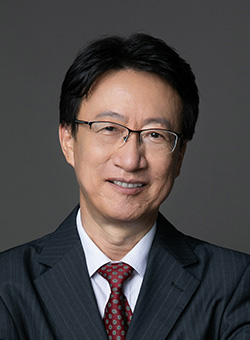
Dr. Jidong Gu, Professor
Environmental Engineering Department, Guangdong Technion – Israel Institute of Technology, Shantou, China
演讲主题:The Green Anammox Technology in Wastewater Treatment: New Advances
查看更多信息2026第十一届能源,环境与资源国际会议
2026年8月14-16日
Microbial-driven nitrogen removal is the crucial step in full-scale wastewater treatment plants (WWTPs), a better understanding of the overall nitrogen cycling networks is therefore a prerequisite for the further enhancement and optimization of wastewater treatment processes. Anammox bacteria have a unique affiliation to the different ecological/environmental conditions, and such intrinsic property is a result of their evolution. To further advance the application of anammox in wastewater treatment, metagenomics and metatranscriptomics were used to elucidate the microbial nitrogen removal processes in an ammonium-enriched full-scale WWTPs, which were configured as an anaerobic-anoxic-anaerobic-oxic system for efficient nitrogen removal (99.63%) in a full scale WWPT. A typical simultaneous nitrification-anammox-denitrification (SNAD) process was established in each tank of this WWTP. Ammonia was oxidized by ammonia-oxidizing bacteria (AOB), archaea (AOA), and nitrite-oxidizing bacteria (NOB), and the produced nitrite and nitrate were further reduced to dinitrogen gas (N2) by anammox and denitrifying bacteria. Visible red anammox biofilms were formed successfully on the sponge carriers submerged in the anoxic tank, and the nitrogen removal rate by anammox reaction was 4.85 times higher than that by denitrification based on 15N isotope labeling and analysis. This supports the significant accumulation of anammox bacteria on the carriers responsible for efficient nitrogen removal. Two distinct anammox bacteria, named “Ca. Brocadia sp. PF01” and “Ca. Jettenia sp. PF02”, were identified from the biofilm in this investigation. By recovering their genomic features and their metabolic capabilities, our results indicate that the highly active core anammox process found in PF01, suggests extending its niche within the plant. With the possible contribution of the dissimilatory nitrate reduction to ammonium (DNRA) reaction, enrichment of PF02 within the biofilm may also be warranted. Collectively, this study highlights the effective design strategies of a full-scale WWTP with enrichment of anammox bacteria on the carrier materials for N removal and therefore the biochemical reaction mechanisms of the contributing members.
Dr. Jidong Gu is currently a full professor of the Guangdong Technion - Israel Institute of Technology and also Israel Institute of Technology concurrently. He obtained his M.Sc. from University of Alberta (Canada), and Ph.D. from Virginia Tech (USA). He joined Ralph Mitchell’s Laboratory at Harvard University for 6 years before taking a faculty position at The University of Hong Kong for more than 21 years. After resigning from the University in Hong Kong, he started his new full-time position with Guangdong Technion - Guangdong Israel Institute of Technology in 2020. His recent research interest includes: 1) carbon and nitrogen cycling, including anaerobic ammonium oxidation and nitrite-dependent anaerobic methane oxidation; 2) oil field microbiology for enhanced oil recovery and pollution remediation; and 3) microbiology of cultural heritage. His h-index is 97, i10-index 517, and total citations of 35,218 (GoogleScholar). He has been the world top 1% scientists by WoS since 2013. He has published in the areas of applied and environmental microbiology and toxicology with more than 500 refereed scientific journal papers, 42 book chapters. He co-edited a book with Ralph Mitchell on ‘Environmental Microbiology’ (2nd ed, John Wiley-Blackwell. 2010). In the Environmental Science and Engineering category, he is ranked the top scientists and highly cited in China. He is the editor-in-chief for International Biodeterioration & Biodegradation (2015– ) and Sustainable Biotechnology (2026– ). He also serves as International Board Member of International Society for Subsurface Microbiology (2016– ); and International Board Member, International Biodeterioration & Biodegradation Society.
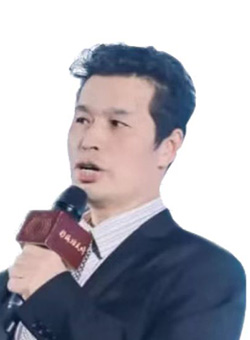
Dr. Fairtown Zhou Ayoungman, Professor
Yunus Social Business Center at Zhengzhou University, Zhengzhou University, Zhengzhou, China
演讲主题:SDGs Research on AI-driven Social Innovation, Institutional Entrepreneur, and Rural Revitalization
查看更多信息2026第十一届经济,管理与社会科学国际会议
2026年8月14-16日
China's Rural Revitalization Strategy is increasingly recognized not merely as a domestic development program but as a social innovation strategy with direct leverage across the UN 2030 Agenda (SDGs) — particularly SDG 1 (No Poverty), SDG 2 (Zero Hunger/Food Security), SDG 8 (Decent Work), SDG 10 (Reduced Inequalities), and SDG 15/12/13 (Ecological Integrity). This paper focuses on artificial intelligence (AI) as a core enabler of rural social innovation, with a specific focus on the pivotal role played by institutional entrepreneurs throughout the process. Building on institutional capital theory and social innovation scholarship, the study draws on empirical evidence from rural practices across China to map the transmission pathways of AI-driven social innovation for rural revitalization, and unpacks how institutional entrepreneurs facilitate technology diffusion, resolve institutional frictions, and coordinate multi-stakeholder resources to align local development with SDG priorities. This paper argues that the recent earth-shaking upgrade of social strategy is driven less by hardware alone than by AI-infused social innovation: precision/sensing systems, algorithmically coordinated supply chains, digital finance and tele-health, and data-driven public service delivery that compress the urban–rural capability gap. Yet technology diffuses unevenly unless institutional entrepreneurs — rural cadres, social enterprises, cooperatives, platform-builders, and hybrid public–private intermediaries — deliberately rework rules, incentive structures, and trust architectures to make AI socially embeddable. Drawing on institutional theory and social innovation studies, the paper develops a framework linking AI-enabled innovation → institutional entrepreneurial agency → new rule–resource configurations → rural revitalization outcomes, and illustrates it with contemporary Chinese cases (digital agriculture, rural e-commerce ecosystems, county-level tele-medicine/education, and carbon-inclusive eco-rural models). The contribution is twofold: (1) it conceptualizes rural revitalization as a co-produced sociotechnical achievement rather than a purely technocratic or purely redistributive one; and (2) it shows how AI-driven social innovation, steered by institutional entrepreneurs, can turn SDG alignment into an endogenous, scalable dynamic rather than a donor-led checklist — offering both theoretical traction and policy-relevant implications for Global South contexts.
Dr. Fairtown Zhou Ayoungman is the Director of Yunus Social Business Center at Zhengzhou University, Economics Professor and Doctoral Supervisor of Business School at Zhengzhou University, Chief Trainer at Conscience Entrepreneur Academy, MBA/EMBA Supervisor at Zhengzhou University, chief consultant of Ayoungman ThinkTank, independent director of listed companies, vice president of WangYangming Research Association in Henan Province, senior researcher at China Central Development Research Institute of Zhengzhou University, director of Pangdonglai Cultural Research Committee. Ayoungman has served as the CSO(Chief Strategy Officer) of Shanghai Hehui Group, CRO(Chief Risk Officer) of Beijing Dagong International Credit Rating Company, deputy director of Hebi State owned Assets Management Center (Municipal State owned Assets Supervision and Administration Bureau), deputy general manager of Hebi Economic Construction Investment Group (Government Investment and Financing Platform), etc. Ayoungman has published more than 10 academic books in China Economic Publishing House, Economic Science Press, Science Press, etc. Ayoungman has also published over 100 academic papers in SSCI, SCI, CSSCI, and ESCI journals, presided over more than 20 national and provincial level research projects, hosted over 30 enterprise consulting projects and government consulting projects, and taught over 200 enterprise training projects. etc.
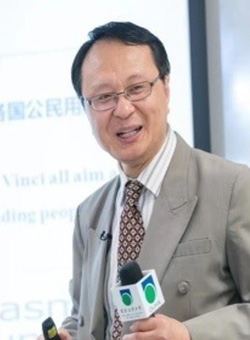
Dr. Shuo Zhao, Professor
School of International Studies, Communication University of China, Beijing, China
演讲主题:AI Education Paradigm Transformation in the Context of the Global South
查看更多信息2026第十一届教育与创新国际会议
2026年8月14-16日
The rapid penetration of artificial intelligence into education has intensified rather than bridged the North-South epistemic divide. The mainstream AI education frameworks, embedded with Western-centric biases, risk entrapping the Global South in algorithmic dependence and digital colonialism through data exploitation, infrastructural asymmetry, and the marginalization of Southern knowledge systems. The study calls for an urgent paradigm shift from the logic of technology transfer toward epistemic sovereignty. Drawing on de-colonial theory and critical AI studies, it proposes a de-colonial AI education paradigm grounded in epistemic sovereignty, relational learning and context-responsive design. Through three pillars of data justice, local knowledge production and participatory governance, the study offers both a diagnostic framework and constructive pathways toward a just, plural and self-determined AI education future for the Global South.
Dr. Shuo Zhao is Professor in Communication University of China (CUC) and Fellow of New York Academy of Sciences while he is guest professor/PhD Superviser in University of Malaya(UM), University of Wales Trinity Saint David(UK). He also serves as Editor-in-Chief of American Journal of Linguistic Science and Literature as well as guest editor for special issue of SSCI Journal Systems. He is awarded as Humanity Scholar by American Common Ground Publishing and Imperial College London in 2017, by University of Pennsylvania in 2018. Recently he is awarded as international humanity Scholar by Universidad Complutense of Spain in 2021, international humanity Scholar by University of Aegean of Greece in 2022, international humanity Scholar by University of Sorbonne of France in 2023, international humanity Scholar by University of Rome of Italy in 2024, humanity Scholar by University of Hawaii in 2025.
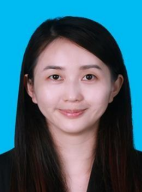
Dr. Lo Yueh Yea, Assistant Professor
Faculty of Education, Universiti Malaya, Kuala Lumpur, Malaysia
演讲主题:Advancing Multilingual Education in the Age of AI: Feedback Literacy, Digital Pedagogy, and Professional Teacher Development for Equitable Futures
查看更多信息2026第十一届教育与创新国际会议
2026年8月14-16日
As multilingual education evolves in increasingly digital and AI-mediated learning environments, language educators are challenged to rethink how feedback, pedagogy, and professional development can support more equitable learning futures. This keynote explores the intersections of feedback literacy, digital pedagogy, artificial intelligence, and professional teacher development in multilingual higher education contexts. It argues that while AI and digital tools offer new possibilities for lesson design, learner engagement, personalized feedback, assessment support, and reflective teaching practice, their educational value depends on teachers’ pedagogical judgement, ethical awareness, and ability to adapt technology to diverse linguistic and cultural contexts. Drawing on current discussions in AI-enhanced professional development, the keynote highlights the need to move beyond short-term, toolfocused training towards a sustainable professional learning ecosystem. Particular attention is given to the Malaysian higher education context, where multilingualism, institutional diversity, digital transformation, and educational equity are central to teaching and learning. The keynote positions AI not as a replacement for teachers, but as a pedagogical partner that can enhance human judgement, creativity, and responsiveness when used critically and ethically. It concludes by proposing a human-centred approach to multilingual education that is inclusive, contextually responsive, and future-oriented.
Dr Lo Yueh Yea is an Assistant Professor at the Faculty of Education, Universiti Malaya, whose academic work is anchored in language literacy education, TESOL, ESL, academic writing, pedagogy, and professional teacher development. Her scholarship examines how multilingual learners develop English language proficiency, academic voice, writing competence, and literacy practices across diverse educational contexts. With a strong focus on formative assessment, feedback, classroom-based pedagogy, and technology-enhanced learning, her work speaks directly to the evolving needs of English language education in an increasingly digital and innovation-driven era. Her research on AI-assisted writing assessment and human scoring judgment contributes to current debates on fairness, reliability, ethics, and the role of teacher expertise in educational innovation. Dr. Lo is also committed to professional teacher development through reflective practice, lesson study, and collaborative approaches to improving classroom instruction. By bridging language literacy, pedagogical innovation, teacher learning, and responsible AI integration, her work offers timely insights for educators, researchers, and policymakers seeking to strengthen teaching, assessment, and learning in the age of educational transformation.
2026年5月会议(苏州)
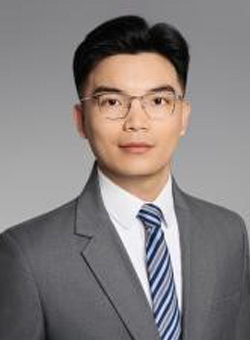
Dr. Dong Lu, Associate Professor
College of Mechanics and Engineering Science, Hohai University, Nanjing, China
演讲主题:Self-healing Asphalt Pavement Empowered by Carbon Nanotube Polymer Coated Aggregates
查看更多信息2026第十二届土木与环境工程国际会议
2026年5月23-25日
Conductive additives, such as steel fiber, carbon fiber, carbon nanotube (CNT), or graphene, are typically mixed with asphalt first prior to combining with aggregate (filler) to prepare electrically-conductive asphalt concrete (ECAC). This approach aims to achieve anti-icing/de-icing, self-healing of microcracks in pavements, and traffic information detection. However, effectively dispersing these additives in asphalt at a low cost and high efficiency remains a challenge, resulting in limited conductivity. To address this, we develop a novel type of ECAC utilizing conductive aggregates. These conductive aggregates are prepared by dip-coating the surfaces of raw aggregates with CNT polymer nanocomposites (CPN), enabling the construction of a three-dimensional conductive network within the asphalt concrete through direct contact between these conductive aggregates.
Dr. Dong Lu is an Associate Professor at Hohai University. He earned his Ph.D. from The Hong Kong Polytechnic University, where he further contributed to academia as a Postdoctoral Research Fellow. With a steadfast commitment to advancing the fields of nanoconcrete, multifunctional and smart pavements, Dr. Lu has established himself as a distinguished researcher. His scholarly contributions include the publication of more than 80 high-caliber SCI papers in prestigious journals, including ACS Nano, Carbon, and Cement & Concrete Composites, garnering an H-index of 31. Dr. Lu's leadership is evident through his direction of five research initiatives and the acquisition of 12 invention patents, underscoring his innovative impact on the scientific community.
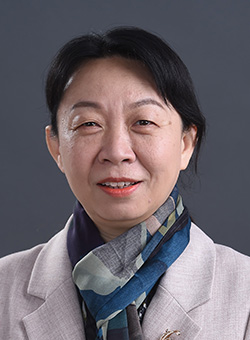
Dr. Xiaohua Yang, Professor
School of Environment, Beijing Normal University, Beijing, China
演讲主题:Suitability Evaluation, Prediction, and Optimization Regulation of the Human Settlements–Environment–Energy Coupling System
查看更多信息2026第十三届能源,环境与地球科学国际会议
2026年5月23-25日
This study is grounded in the macro context of ecological civilization construction and high-quality development in the new era, closely adhering to the people-centered core concept. It develops a theoretical framework for assessing the suitability of the Human Settlement-Environment-Energy (HSEE) coupled system. By comprehensively employing methods such as mathematical statistics, geographic information systems, deep learning, and multi-objective optimization algorithms, the study systematically analyzes the spatiotemporal evolution patterns, future development trends, and optimal regulation pathways of the HSEE coupled system suitability across 30 provincial-level administrative regions in China from 1965 to 2050. This research holds significant theoretical and practical value for improving regional human settlement quality and promoting the coordinated development of resources, environment, economy, and society.
Dr. Xiaohua Yang, Professor and Doctoral Supervisor at Beijing Normal University. She has served as a Visiting Professor at the University of Washington, Seattle, USA, and a Visiting Fellow at Princeton University, Princeton, USA. She is primarily engaged in the systematic analysis of water resources, energy, and human settlement environments. She has published over 300 academic papers, authored 6 monographs, and been granted a total of 10 patents and computer software copyrights. She serves as Editor-in-Chief or Editorial Board Member for 6 international journals. Her research achievements have received one Second Prize of the National Science and Technology Progress Award, two First Prizes of the Ministry of Education, and one Second Prize of the Ministry of Water Resources.
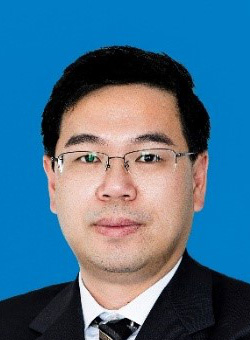
Dr. Xi Chen, Professor
Wu Jieh Yee School of Interdisciplinary Studies, Lingnan University, Hong Kong Special Administrative Region, China
演讲主题:Addressing Climate Change: Negative Emission Based on AI-Driven Evolution of Advanced Materials
查看更多信息2026第十三届能源,环境与地球科学国际会议
2026年5月23-25日
To address the global challenge of climate change and sustainability, revolutionary solutions are needed to develop highly efficient pathway for mitigating carbon dioxide and greenhouse gas emissions. The “Holy Grail” is engineered removal of CO2 directly from the atmosphere, known as negative emission. Conventional carbon capture method developed for power and chemical plants does not work well for air capture, due to the very different CO2 concentration in flue gas and air. We present a disruptive approach of DAC (direct air capture of CO2), which is enabled by unconventional reverse chemical reaction driven by water quantities in nanopores. The humidity-swing system absorbs CO2 from the air when the surrounding is dry, whereas releases CO2 when wet. AI-driven material and system design is employed to significantly promote DAC capacity and efficiency, leading to perhaps the world’s cheapest solution of negative emission. The carbon loop is further closed by distributed and need-based capture of CO2 and various pathways of CO2 conversion, forming the technological roadmap of distributed carbon capture, utilization, and sequestration (distributed CCUS). The future prospects of engineering the carbon loop and grand cycles of sustainability are also discussed.
Dr. Xi Chen is Chair Professor and Dean of the Wu Jieh Yee School of Interdisciplinary Studies at Lingnan University. He received his M.S. from Tsinghua University, and Ph.D. in Solid Mechanics from Harvard University, and spent 20 years as a professor in the Department of Earth and Environmental Engineering at Columbia University, before joining Lingnan in 2023. He received numerous awards including the NSF CAREER Award, the Presidential Early Career Award for Scientists and Engineers (PECASE), ASME Sia Nemat-Nasser Early Career Award, ASME Thomas J. R. Hughes Young Investigator Award, and SES Young Investigator Medal. He is a Fellow of ASME and has been a World’s Top 2% Most-cited Scientists published by Stanford University since 2019. He has published over 500 journal papers with a h-index over 80. He uses multiscale theoretical, experimental, and numerical approaches to investigate various research frontiers in engineering science addressing real-world challenges in energy, environment, nanotechnology and biology. His recent work in carbon neutrality has been recognized by many top awards, including No. 1 Award in Direct Air Capture and overall Top 10 in Tencent Carbon X Grand Competition, No. 1 Award in Carbon Neutrality in 6th Zhongguancun Innovation Competition, and No. 1 Prize in Bluetech Carbon Neutrality Pioneers Award. He established Asia’s first direct CO2 air capture factory, and China’s first carbon negative industrial park zone.
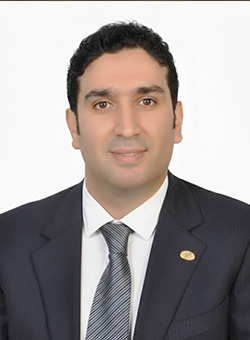
Dr. Mostafa Ghasemi Baboli, Professor
Yangtze Delta Region Institute (Huzhou), University of Electronic Science and Technology of China, Huzhou, China
演讲主题:From Waste Treatment to Renewable Energy Production: A Next-generation Microbial Fuel Cell Concept
查看更多信息2026第十三届能源,环境与地球科学国际会议
2026年5月23-25日
Microbial fuel cells (MFCs) represent a promising renewable energy technology for simultaneous wastewater treatment and electricity generation; however, their practical deployment remains limited by pH imbalance, membrane cost, and long-term operational instability. In this study, a comprehensive comparative evaluation of cation exchange membranes (CEMs) and anion exchange membranes (AEMs) is conducted to elucidate their roles in governing electrochemical performance, stability, and bioelectrochemical functionality of MFCs. A low-cost PTFE-based AEM is benchmarked against the widely used Nafion 117 membrane under identical operating conditions using real palm oil mill effluent (POME) as the substrate. The results demonstrate that AEM-based MFCs exhibit superior power density, reduced charge transfer resistance, and significantly enhanced long-term stability over extended operation exceeding 600 h. These improvements are attributed to efficient OH- transport, which enables intrinsic pH self-regulation at both electrodes, mitigates anode acidification, and promotes favorable conditions for oxygen reduction at the cathode. In contrast, CEM-based systems suffer from pronounced pH gradients and performance decay. Beyond material comparison, this work highlights a paradigm shift in MFC design, positioning membranes as active electrochemical regulators rather than passive separators. The findings provide critical insights into membrane-driven control of microbial and electrochemical processes and establish AEM-enabled MFCs as a next-generation platform for stable and scalable renewable energy recovery from wastewater.
Dr. Mostafa Ghasemi Baboli is a distinguished Professor of Chemical Engineering at the University of Electronic Science and Technology of China (UESTC), Yangtze River Delta Institute, Huzhou. He has been continuously recognized among the world’s top 2% of scientists by Stanford University since 2020, reflecting his sustained global research impact. In 2024, he was also selected as a Provincial Talent of Zhejiang Province, highlighting his contribution to scientific innovation and regional development in China. Professor Ghasemi is internationally recognized for his pioneering research in sustainable wastewater treatment, renewable energy systems, and advanced membrane science. His work focuses on developing energy-efficient, low-carbon technologies at the water–energy nexus, with particular emphasis on microbial fuel cells (MFCs), forward osmosis (FO), and nanocomposite membranes. His innovative research on hybrid MFC–FO systems and carbon nanotube-enhanced membranes has advanced the field of energy-positive water purification and desalination, improving efficiency, fouling resistance, and resource recovery. Before joining UESTC, Professor Ghasemi served as an Associate Professor at Sohar University, Oman, for five years, where he played an active role in academic leadership and interdisciplinary research. Earlier, he held academic appointments at Universiti Teknologi PETRONAS (UTP) as an Assistant Professor and at the National University of Malaysia (UKM) as a Senior Lecturer and Research Fellow. Professor Ghasemi has published extensively in high-impact international journals such as Energy, Renewable Energy and Desalination, and has co-authored influential studies on the intelligent optimization of bioelectrochemical systems, integrating artificial intelligence, computational modeling, and experimental validation. His research vision centers on circular water–energy systems, resource recovery, and climate-responsive technologies, positioning him as a leading figure in sustainable process engineering.
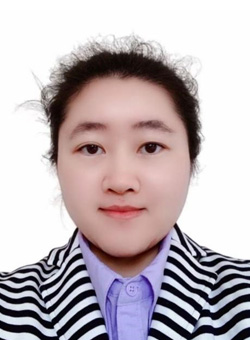
Dr. Lin Ling, Professor
School of Life Science and Technology, the Key Laboratory of Developmental Genes and Human Disease, Southeast University, Nanjing, China
演讲主题:miRNA-GABA Influences Female Aedes Aegypti Reproduction by Modulating Midgut Homeostasis
查看更多信息2026第十三届生物与生命科学国际会议
2026年5月23-25日
The robust reproductive plasticity of female Aedes aegypti mosquitoes following blood-feeding exacerbates the transmission of mosquito-borne viruses, imposing a heavy burden on global public health. The blood-feeding-initiated post-blood meal (PBM) phase activates coordinated changes in the midgut-fat body-ovary axis, storing nutrients for female reproductive behaviors. MicroRNAs (miRNAs) precisely control gene expression through a post-transcriptional regulatory mechanism that targets mRNAs. To explore the impact of endogenous miRNAs on the digestion kinetics of exogenous hemoglobin (HGB), this study combined digestive physiology assays, sRNA-seq, CRISPR-Cas9, RNA interference (RNAi), in vitro neurotransmitter delivery to the digestive tract, and molecular biology assays. The results demonstrated that the miR-7-glutamate decarboxylase (GAD)-γ-aminobutyric acid (GABA) signaling axis mediates the reproductive cascade of the midgut-fat body-ovary axis by regulating midgut homeostasis. Through high-throughput sRNA-seq combined with digestion rate measurements, we identified miR-7 as a key regulator of the HGB digestion rate. Dual-luciferase reporter gene assays and fluorescence in situ hybridization (FISH) co-localization experiments confirmed that GAD is a target gene of miR-7. CRISPR-Cas9-mediated miR-7 knockout combined with GAD RNAi rescue experiments demonstrated that miR-7 deficiency disrupts the midgut glutamate-GABA homeostasis by derepressing GAD. High levels of GABA inhibit the secretion of digestive proteases by promoting midgut cell apoptosis. This endocrine imbalance is directly manifested as delayed blood-meal processing, secondary to impaired lipid storage and arrested ovarian development, ultimately reducing reproductive fitness. The in vitro experiment of delivering GABA to the digestive tract further verified the tissue-specificity of the above-mentioned view. Our study identified an important miRNA that affects reproductive output by regulating digestion, providing key targets for interventions aimed at blocking the transmission of arboviruses.
Dr. Lin Ling is a Professor at Southeast University. She earned her Ph.D. in Aerospace Astronautics and Biological Technology from Northwestern Polytechnical University and the Center for Excellence in Molecular Plant Sciences, Chinese Academy of Sciences in 2015. From 2015 to 2022, she worked as a postdoctoral fellow and project scientist in the Department of Entomology at the University of California, Riverside. She is a recipient of the National High-Level Young Talent award. Her research focuses on deciphering molecular targets and regulatory networks for pest control by integrating genome editing, microRNA regulation, signaling pathway crosstalk, hormone interactions, tissue communication, precise in vivo protein localization, and cross-disciplinary omics big data. Using Aedes aegypti as a core model, she investigates the molecular mechanisms of coordinated development, metabolism, and reproduction, with an emphasis on hormonal signaling, nutrient sensing, and non-coding RNA networks. She has published over 30 papers, including first/corresponding author works in PNAS (2017, 2018, 2021, 2023), Cell Reports (2025), and has garnered over 1,000 citations. Her research is supported by the National Natural Science Foundation of China.
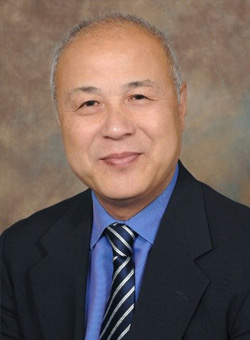
Dr. Xiaoyang Qi, Professor
Department of Internal Medicine, College of Medicine, University of Cincinnati, Cincinnati, USA
演讲主题:Cancer Immunotherapy: Impeding Hsp70–TLR2 Axis for MerTK downregulation
查看更多信息2026第十三届生物与生命科学国际会议
2026年5月23-25日
Despite significant advancements in cancer treatment, a major challenge remains in overcoming the immunosuppressive tumor microenvironment (TME) that hinders effective anti-tumor immunity. Immunosuppressive M2 macrophages (MΦs) in the TME facilitate escape from immune surveillance and promote tumor growth. One key player in this suppression is MerTK (Myeloid-epithelial-reproductive tyrosine kinase), which promotes tumor immune evasion through various mechanisms. This study investigates a novel therapeutic approach centered on interrupting the interaction between cancer-secreted heat shock protein 70 (Hsp70) and Toll-like receptor 2 (TLR2) to downregulate MerTK expression and reverse immune tolerance. Hsp70, often found on the surface of tumor cells, engages with TLR2 on immune cells, initiating signaling cascades that ultimately lead to increased MerTK expression and the promotion of a pro-tumoral phenotype. By employing specific lipid vesicles (LVs) to impede the Hsp70–TLR2 axis, we hypothesized that the downstream signaling can be interrupted, thereby reducing MerTK levels. Our findings demonstrate that sequestering of cancer-secreted Hsp70 by tumor-targeting saposin C (SapC)-based LVs to block the M2 MΦ polarization through disrupting the Hsp70-TLR2-MerTK interaction. These results suggest that targeting the Hsp70–TLR2 axis represents a novel and effective strategy for downregulating MerTK, offering a potent adjunct to existing immunotherapies and providing a potential pathway to overcome resistance in a broad range of cancers.
Dr. Xiaoyang Qi is a professor in the Division of Hematology-Oncology in the Department of Internal Medicine at the University of Cincinnati College of Medicine. The laboratory of Dr. Qi focuses on cell membrane phospholipids and proteins as specific therapeutic targets and diagnostic biomarkers for cancer and genetic diseases. His research is focused on developing a new saposin C (SapC) coupled dioleoylphosphatidylserine (DOPS) nanovesicle which has the potential to offer a targeted, potent, broad, and safe therapeutic agent for cancer patients.
Dr. Tianru Jin, Professor
Department of Physiology, University of Toronto, Toronto, Canada
演讲主题:Advances in GLP 1 Research: Historical Insights, Contemporary Achievements and Future Challenges
查看更多信息2026第十二届健康,医学与生命科学国际会议
2026年5月23-25日
Glucagon-like peptide-1 (GLP 1) was identified in the 1980s as the 2nd incretin, defined as gut-produced hormones which can stimulate insulin secretion from pancreatic beta-cells. The 1st GLP-1 based therapeutic agent known as exenatide (Byetta) was approved by FDA in 2005 for diabetes treatment only. Since then, more than a dozen GLP-1-based drugs have been developed and their applications are now expanded into obesity treatment and body weight management, and potential other metabolism-related disorders. Here I will provide a historical review on the discovery of this hormone, its functional studies, as well as GLP-1-based drug development during the past two decades. More importantly, I will use liver as an example, to discuss extra-pancreatic functions of GLP-1 and its based drugs, leading to their expanded applications in the future. Finally, I will present knowledge gaps in this hormone we are facing now, and my personal perspectives on future research directions.
Dr. Tianru Jin is a Professor in University of Toronto. He received his PhD from University of Toronto in 1993. He then conducted his postdoctoral research at the Banting & Best Diabetes Centre under Professor Daniel J. Drucker. Since 1997, Dr. Jin has served at the University of Toronto as Assistant Professor, Associate Professor, and full Professor. Professor Jin served as Board Member or editor for several scientific journals. He is currently serving as Editor for Cell and Bioscience, Associate Chief-Editor for Obesity Medicine, and Founding Editor in Chief (2025–2030) for Metabolism and Diseases. His team has long term interests on exploring functions of GLP 1 and other metabolic hormones. His team introduced Wnt signaling pathway into the GLP-1 filed. Recently, the team expanded the research interest into the metabolic functions of polyphenolic compounds recently. Major fundings for his research group comes from the Canadian Institutes of Health Research (CIHR), Canadian Diabetes Association (CDA), JDRF (USA), and the Banting & Best Diabetes Centre (BBDC). Publications from Professor Jin’s group have appeared in Nature Communications, Hepatology, Molecular and Cellular Biology, Journal of Biological Chemistry, Endocrine Reviews, Endocrinology, Diabetes, Diabetologia, Oncogene, Molecular Metabolism, PLOS Biology, and others. As a co author, his work has also been published in PNAS, Gastroenterology, Cell Reports, Science Immunology, BioMedicine, and additional journals—over 170 publications in total. From 2017 to 2022, Dr. Jin was appointed as an Overseas Distinguished Professor by Sun Yat sen University under the Ministry of Education of PR China.
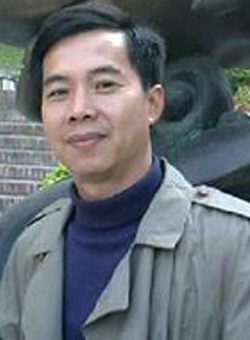
Dr. Alex Kuo, Professor
School of Health Information Science, University of Victoria, Victoria, Canada
演讲主题:AI in Big Data Analytic for Healthcare
查看更多信息2026第十二届健康,医学与生命科学国际会议
2026年5月23-25日
This keynote examines the transformative influence of artificial intelligence and big data on modern healthcare systems. It brings together researchers, practitioners, and industry leaders to explore breakthroughs in AI-powered diagnostics, predictive analytics, and personalized medicine. The session also delves into big data strategies for managing large-scale healthcare datasets, strengthening clinical decision-making, and streamlining operational workflows. Core themes include an overview of cutting-edge AI methodologies, the role of AI in advancing big data analytics, and practical insights into overcoming challenges in AI adoption.
Dr. Alex Kuo holds a PhD from the Department of Computer Science, University of Nottingham, UK. He is a full time professor at the School of Health Information Science, University of Victoria (UVic). He was a visiting scholar at the Department of Computer Science, Politecnico di Milano, Italy (2023), the Center for Expanded Data Annotation and Retrieval (CEDAR), School of Medicine, Stanford University, USA (2016), and the Electronic Commerce Resource Centre (ECRC), Georgia Tech (2000). Now, he is the chair of Special Interest Group on Big Data for Healthcare, Medicine and Biology at IEEE Technical Committee on Big Data. With over 20 years of programming and data analysis practical as well as research experience, he has over 170 peer-reviewed publications. His research interests include Cloud Computing & Big Data application to healthcare, health data interoperability, health database & data warehousing, data mining application in healthcare, e-health and clinical decision support system.
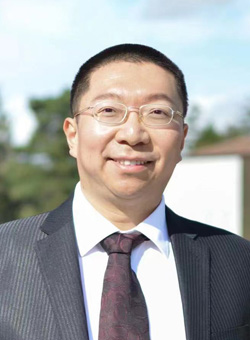
Dr. Lin Wang, Professor
China Association of Science and Education Evaluation, Hangzhou Dianzi University, Hangzhou, China
演讲主题:When Chatman Meets Chinese Rural Older People with Health Anxiety: From Life in the Round to Concentric Life Circles
查看更多信息2026第十二届社会科学与人文国际会议
2026年5月21-23日
Rural Chinese older people face significant information poverty and elevated health anxiety, yet their health information behavior remains understudied in non-Western contexts. This study employs in-depth interviews, grounded theory, and information horizon mapping to investigate the health information seeking patterns of this vulnerable group. Our findings reveal a concentric life circle pattern, where health information behavior radiates outward from the core life circle (kinship ties/close community) to transitional life circles (extended networks). By integrating Chatman's small world theory and life in the round theory with China’s localized context, we propose the original "Concentric Life Circle Theory" (CLCT). This theory advances cross-cultural information behavior research and offers actionable solutions to mitigate health anxiety through culturally tailored information interventions.
Dr. Lin Wang is a distinguished professor of information science at Hangzhou Dianzi University, China. He received a Young Information Scientist award from the China Society for Science and Technology Information and a Bob Williams Research Grant Award from the Association of Information Science and Technology (ASIS&T). He earned a PhD in information science from Peking University. His research interests include the foundations of information science and health informatics. He has published more than one hundred academic papers in international library and information science journals and leading peer-reviewed information science journals in China. Several papers received “best paper” awards from national academic organizations, including the Chinese Society for Science and Technology Information and the Chinese Science and Technology Communication Society. Wang was the chair of the special interest group History and Foundation of Information Science, ASIS&T. He is also the vice chair and general secretary of the Zhejiang Information Resources Management Association.
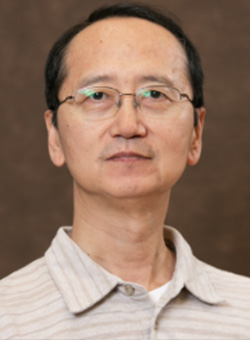
Dr. Martin Zhao, Associate Professor
Computer Science Department, Mercer University, Macon, USA
演讲主题:CharActER: A Proposed AI System for Teaching Chinese the WRITE Way
查看更多信息2026第十届教育与信息技术国际会议
2026年5月21-23日
Despite increasing global interest in learning Chinese, the character writing system presents a major barrier to both heritage and non-heritage learners due to its visual complexity, symbolic design, and lack of phonetic transparency. Most AI and language-learning tools focus on conventional speech-based methods, bypassing the structural richness of Chinese script. A teaching app CharActER is proposed to use Chinese the WRITE Way approach to teach Chinese through telling “stories” about the design of the characters. It follows an approach like the traditional Expert System and utilizes LLMs (such as ChatGPT) to generate personalized “explanations” to users. This system aims to bridge visual form, semantic meaning, and historical structure through storytelling as embedded in ancient Chinese scripts. A knowledge base, missing in chat-oriented AI systems, will be added to annotate essential stroke codification, stroke-pattern and etymology-inspired narratives on top of traditional databases for Chinese characters. Strategies of teaching characters utilize the “knife” and “lens” tools to analyze meaning (and/or sound) carrying patterns in a story-telling style. Initial efforts focused on using CHN123, an introductory course with about 123 characters divided into two dozen lessons of 5 characters each. Stories regarding strokes or other meaning carrying modules are annotated using a JSON format. Composition-based inferencing rules are employed to generate prompts to ChatGPT and responses in specified formats are used to generate animated visuals to enhance story-telling effects. Rooms for CHN123, and other courses (such as Learn Chinese with Mulan) and game-like exercises (such as Char Slicer, Calendar/Planner, Map) will be added. Moving beyond superficial memorization, this approach enables learners to internalize the underlying logic and interconnectedness of Chinese characters. The implications extend beyond mere efficiency; “Chinese the WRITE Way” promises to cultivate a deeper, more intuitive grasp of the Chinese language, fostering true linguistic proficiency and cultural understanding in an increasingly interconnected world.
Dr. Martin Zhao is an Associate Professor of Computer Science at Mercer University in Macon, GA, USA. His interests are mainly in applied aspects of computing, including software engineering, data modeling and analytics, machine learning and AI applications. Dr. Zhao’s R&D projects have been funded by external sources including AFRL and NSF. Recently, he worked with a team of experts in anthropology, biology, biomedical and data sciences on a collaborative project supported by NSF grants and developed a knowledge model of the Cayo Santiago Rhesus Colony. Since 2020, this series of studies have produced a dozen publications, as well as presentations and workshops at AABA conferences. Another ongoing project focuses on developing a teaching app designed to address the difficulty of learning Chinese characters. Using the “Chinese the WRITE Way” approach, the app teaches characters through storytelling about their structure and history. It combines a knowledge base with LLMs (e.g., ChatGPT) to generate personalized explanations.

Dr. Vojko Potocan, Professor
Department of Management, Faculty of Economics and Business (FEB), University of Maribor, Maribor, Slovenia
演讲主题:Redesigning Problem-Based Learning: Innovativeness and Artificial Intelligence
查看更多信息2026第十届教育与信息技术国际会议
2026年5月21-23日
Background: The pervasive integration of artificial intelligence (AI) and digitalization significantly alters problem-based learning (PBL) in higher education, raising concerns about its impact on critical thinking and fundamental learning outcomes. Purpose: This article investigates AI's influence on PBL content and evaluates a modified PBL model designed to optimize AI's utility while safeguarding core pedagogical objectives like innovativeness and individual responsibility of participants. Methodology: Grounded in educational theory, we first analyzed existing AI support in Higher Education Institutions (HEIs) through PBL using a series of workshops. This leads to the development of a modified PBL framework in which initial solution ideation occurs without AI, followed by AI use during the implementation phase. A subsequent survey of workshop participants then assessed the effects of this model. Results: Initial workshop findings indicated that extensive use of AI in PBL can diminish critical thinking, in-depth learning, and individual responsibility. In contrast, the modified PBL approach strengthened brainstorming, enhanced understanding of AI's possibilities and limitations, and fostered ethicality and academic integrity. Solutions developed within this model were simpler, but also more diverse and innovative than those generated solely with AI. Conclusion: Structuring AI integration in PBL is crucial to improving core educational objectives. The modified model effectively promotes innovative education and responsible AI use by segmenting AI's role. Theoretical implications underscore the need for diversified assessment and evolving PBL goals, emphasizing self-direction and critical evaluation of AI in practice.
Dr. Vojko Potocan is a Full Professor of Management and Organization at the Faculty of Economics and Business (FEB), University of Maribor (Slovenia). He earned his doctoral degree from FEB Maribor. He teaches at three universities in Slovenia and at three universities abroad (Germany, Croatia, and Poland). He is also the head of the doctoral studies in Management and Organization at FEB. He has participated in various international scientific conferences and conducted several study visits abroad. He has published over 500 texts (over 350 in foreign languages in 45 countries), including 15 books with leading publishers Pearson, IGI, Palgrave Macmillan, and Routledge, edited proceedings, and textbooks. Dr. Potocan has published over 80 articles in peer-reviewed scholarly journals.
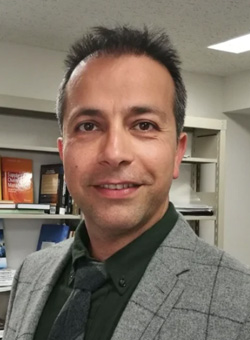
Dr. Yacob Khojasteh, Professor
Graduate School of Global Studies, Sophia University, Tokyo, Japan
演讲主题:Innovation Management in Supply Chains: Digital Transformation with Cutting-Edge Technologies
查看更多信息2026第九届创新管理与创业国际会议
2026年5月21-23日
In an era of global volatility and rapid technological advancement, innovation management has become central to supply chain transformation. This keynote explores how cutting-edge technologies, such as Artificial Intelligence (AI), the Internet of Things (IoT), cloud computing, advanced analytics, and digital twins, serve as enablers of systemic innovation across supply chain networks. Drawing on multiple case studies of leading global organizations, it examines how firms orchestrate digital initiatives to enhance visibility, resilience, and operational efficiency. A key focus is placed on “digital transformation maturity,” highlighting the integration of real-time data, predictive capabilities, and intelligent decision-making systems. The talk further addresses managerial challenges, including implementation complexity and change management, emphasizing the human and organizational dimensions of innovation. It concludes by outlining strategic principles for building adaptive, intelligent, and future-ready supply chains through effective innovation management.
Dr. Yacob Khojasteh is a Professor of Operations Management at the Graduate School of Global Studies, Sophia University in Tokyo, Japan. He was a Visiting Professor at the Department of Mechanical and Industrial Engineering, Toronto Metropolitan University, in Toronto, Canada, during 2021–2022. He is the author or editor of several books, including Digital Transformation of Supply Chains (2026, Springer), Emerging Technologies in Supply Chains (2026, Springer), Supply Chain Risk Mitigation: Strategies, Methods, and Applications (2022, Springer), etc. He has several years of professional experience in industry and consulting. His research interests include production and operations management, supply chain management, systems modeling and optimization, digital transformation, and business analytics.
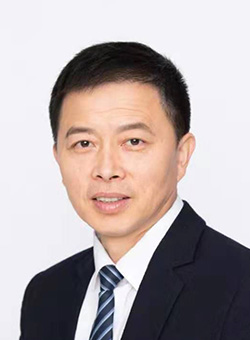
Dr. Zhimin Luo, Professor
Institute of China Innovation and Entrepreneurship Education, Hangzhou Normal University, Hangzhou, China
演讲主题:Creating a "Possibility Space": The Mechanism and Framework for the Integrated Construction of the University Innovation System
查看更多信息2026第九届创新管理与创业国际会议
2026年5月21-23日
As an important subject of national scientific research and innovation, the realization and emergence of innovative talents and achievements in universities are first constrained by the premise of whether they have established a suitable innovation system. Based on in-depth interviews with fifty-five senior experts, this study reveals that the successful implementation and efficacy of the integrated construction depend on three core elements—"Actors" "Guidance and Rules" and "Relations and Platforms"—and their dynamic interrelationships. Consequently, the core tasks of integrated construction involve: strengthening value-driven motivation, clarifying goal-oriented direction, and perfecting institutional safeguards for the actors, while simultaneously forging relational networks and building collaborative platforms. Further analysis indicates that despite the inherent complexity of integrating a university innovation system, its essence and ultimate direction lie in creating a "possibility space" for actors—a space designed to fully unleash imagination and creativity. This maximizes the potential for transforming the innovative capabilities of faculty and students into tangible results. Cultivating this possibility space requires universities to adopt an actor-centered approach, strategically focusing on enhancing the "agency" and "accessibility" necessary for faculty and students to enter and utilize this space effectively. This guiding framework not only transcends the "designism" myth prevalent in traditional innovation system research, but also provides a clear and actionable practical pathway for the integrated construction of university innovation systems.
Dr. Zhimin Luo is the Associate Director of the Institute of China Innovation and Entrepreneurship Education at Hangzhou Normal University, where he is also a Third-Level Professor, Doctoral Supervisor, and Postdoctoral Supervisor. He holds a Ph.D. in Management from Wuhan University and completed postdoctoral research in Education at Zhejiang University. He is a recipient of the Zhejiang Provincial Philosophy and Social Science Leading Talent award and serves as the Chief Expert of the Innovation Team in Henan Province. He holds concurrent positions as Executive Director of the National Higher Education Professional Committee of the China Higher Education Association, Executive Director of the Education Policy and Planning Committee of the Chinese Society of Educational Development Strategy, and Vice Chairman of the Education Statistics and Management Committee of the Chinese Association of Applied Statistics. In recent years, he has led 4 projects funded by the National Social Science Fund of China and 5 major and key provincial-level research projects. As the principal investigator, he has received 1 award from the Ministry of Education for Humanities and Social Sciences, 2 National Education Science Awards, 2 First Prize awards for Provincial Social Science Achievements, 1 Special Prize for University Humanities and Social Sciences in Henan Province, and 3 Special Prizes for Provincial Education Science Achievements. He has published over 130 academic articles in CSSCI journals such as Educational Research and Higher Education Research, in authoritative newspapers such as People's Daily and Guangming Daily, as well as in top-tier Q1 SSCI journals.
Dr. Li Chen, Professor
Faculty of College of Business, Delaware State University, Dover, USA
演讲主题:Perceptual Differences of Esports: Comparative Study of Consumer Behaviors Across Nation and Gender
查看更多信息2026第十一届经济,金融与管理科学国际会议
2026年5月21-23日
Esport has been a multibillion-dollar industry with professional sporting competition and increasing engagement for participants across university campuses internationally. Chen and colleagues (2022) constructed a valid Profile of Esports Perception (PEP) with five critical factors (Attraction, Economics, Socialization, Recognition, Technicity) affecting perceptions of Esports derived from relative theories. They indicated that perceptions of university students could be affected by either one or all factors accordingly. There has been insufficient evidence and quantitative support in the literature of Esports consumer behavior regarding the individuals’ perceptions toward Esports. What could be perceptual deviations across cultural impact and gender difference on perceptions toward Esports among university students? Therefore, the purpose of study would be determining interactive effects of perceptions toward Esports across nation and gender. An international survey was conducted among a convenient student sample selected from 10 American and Chinese universities. A total of 1200 survey packages were distributed equally to the selected Chinese and American universities and 1008 effective packages (return rate of 84.33%) were collected and verified for statistical analysis. A significant interaction effect was found in 2 x 2 factorial MANOVA and univariate ANOVAs for each factor on independent variables (nation, gender) to examine simple main effects were followed. The findings demonstrated significant (p < .01) differences between male and female participants on Attraction, Economics, Recognition, and Socialization, Technicity, and Socialization across America and China. The study explored that Chinese participants preferred Attraction more important than American participants due to cultural impact, and the males were more favorable on Attraction than the females between nations because of gender difference. While American males rated higher than females on Economics, Recognition, and Socialization based on gender preferences, Chinese females recommended all factors, but Attraction, higher than American females. However, Chinese males liked more than American males on Technicity impacted by their perspective cultures. The research provides empirical evidence for the organizers to continuously improve their managerial system of collegiate Esports. The study has inserted an investigative insight into the literature of consumer behavior in Esports, and could serve as a meaningful reference to researchers and practitioners in Esports business.
Dr. Li Chen is a well-known tenured professor of sport business with college of business at Delaware State University, USA. He has served as a department chair, president and chairs of international associations, and editor of international journal of sport marketing and management. His research has been on consumer behavior, motivation and perception of consumers in sports industry with publications over 80 and served as keynotes speaker and presenter more than 100 times in international conferences.
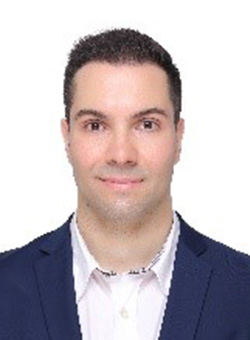
Dr. Mohamad Alsaleh, Associate Professor
College of Economics and Management, Shanghai Ocean University, Shanghai, China
演讲主题:Digital Economy and Big Data in Marine Resources Economics and Environmental Governance
查看更多信息2026第十一届经济,金融与管理科学国际会议
2026年5月21-23日
The digital economy and big data have emerged as transformative forces reshaping global industries, and the marine sector—an indispensable pillar of the blue economy—stands at the intersection of this technological revolution and sustainable development imperatives. This speech focuses on the synergies between digital innovation, marine resources economics, and marine environmental management, addressing how big data-driven tools can optimize the allocation of marine fishery resources, enhance the economic efficiency of aquaculture systems, and mitigate the ecological risks posed by climate change and overexploitation. Drawing on interdisciplinary insights from marine economics, resource economics, and environmental science, we argue that digitalization is not merely a technical upgrade but a strategic enabler for balancing the dual goals of blue economic growth and marine ecological conservation. Specifically, we explore three core dimensions: first, the application of big data analytics in dynamic monitoring of fishery stocks and aquaculture supply chains, which improves the precision of resource management policies; second, the role of digital platforms in facilitating stakeholder collaboration—including fishermen, enterprises, and regulators—to resolve the collective action dilemma in marine environmental governance; third, the challenges of digital divide and data security in coastal and island regions, which require targeted policy interventions to ensure inclusive and sustainable digital transformation. By linking these discussions to global blue economy agendas and national strategies such as China’s “Blue Granary” initiative, this speech concludes that leveraging the digital economy and big data is critical to building a resilient, equitable, and prosperous marine economy for future generations.
Dr. Mohamad Alsaleh is an Associate Professor of the College of Economics and Management at Shanghai Ocean University. He obtained his Ph.D. in economics from University Putra Malaysia which now ranks 134th based on QS World University Rankings for 2026. Currently, he is also an International Associate Researcher at the Institute of Tropical Agriculture & Food Security (ITAFoS), Malaysia. He have published more than 70 research papers in reputable international journals indexed by SSCI and SCI. He was ranked by ScholarGPS, USA, in the top 0.05% of all scholars worldwide. In China, he was rewarded by Lingang Special Area with the “Top 10 Science & Technology Pioneer Nomination Award”. Also, he was rewarded by Hebei Yangtze River Culture Research Institute as “Yangtze River Cultural Ambassador”. In 2023, he was rewarded by the Shanghai Human Resource and Social Security Bureau as “Shanghai High-End Level Talent”. In 2024, he was rewarded by Liaoning University as the Best “Teacher Award” for outstanding performance.
Dr. Benazir Quadir, Associate Professor
Learning Institute of Future Excellence(LIFE), Academy of Future Education (AoFE), Xi’an Jiaotong-Liverpool University, Suzhou, China

huiyi123是一个专业提供国际学术会议交流、学术论文出版的平台。会议接受中文和英文文章,提供30-60天快速在线出版。会议在上海,青岛,杭州,南京,成都,西安,武汉,苏州,济南等城市举办。
联系我们
邮箱:contact@conference123.net
手机:0086-18616502321
0086-18621626037
微信:18616502321
地址:上海市普陀区岚皋路567号品尊国际中心B座11楼

添加组委会微信
(王老师)

添加组委会微信
(周老师)
 请登录
请登录


